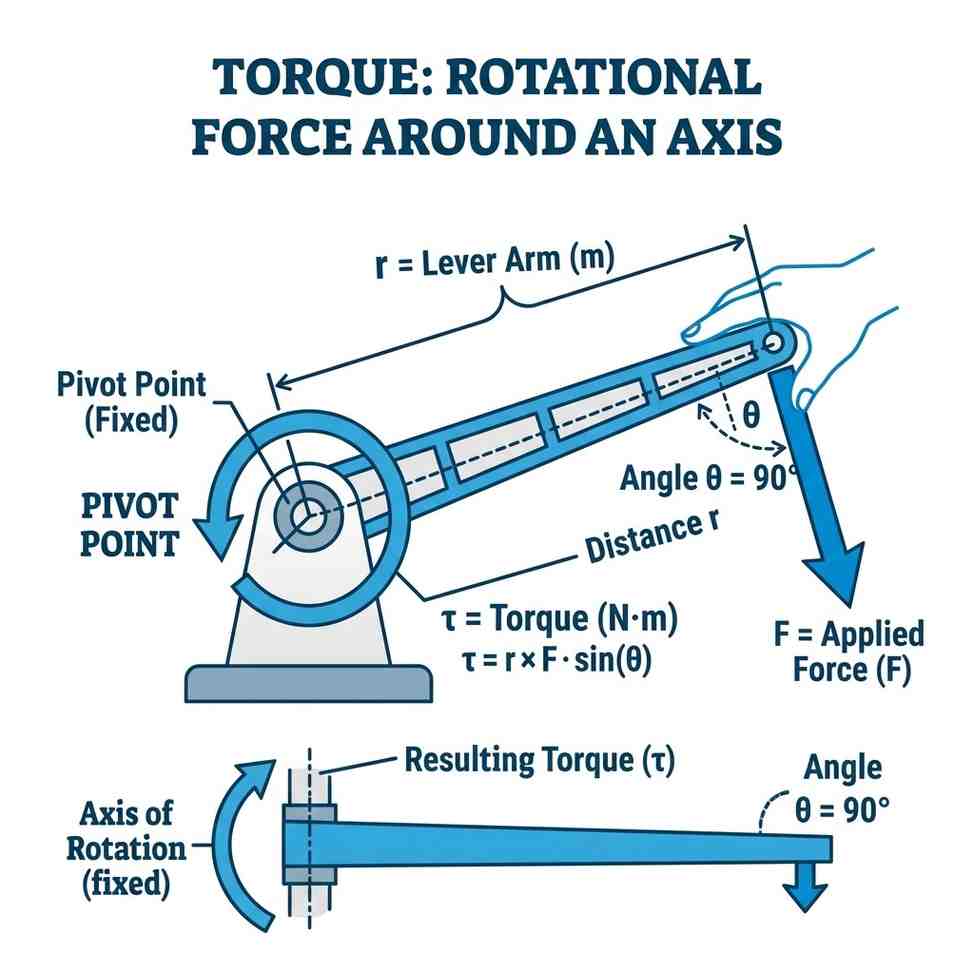
Figure 1: Torque visualized as a rotational force — the product of force magnitude and lever arm distance
Torque is one of the most fundamental concepts in all of physics and engineering — yet it's also one of the most misunderstood. Whether you're an automotive enthusiast wondering why diesel trucks have "more torque," a student studying mechanics, or a professional engineer specifying fastener tightness, understanding torque is essential.
This guide explains torque from the ground up, in plain language, with real examples that make the concepts stick.
The Simple Definition of Torque
Torque is rotational force — the tendency of a force to cause rotation around a fixed point (called the pivot point or axis of rotation). While regular force pushes or pulls an object in a straight line, torque makes things spin.
Think of opening a door. You push the door handle (applying force), and the door rotates on its hinges. That rotational tendency is torque. And crucially, the same force applied further from the hinge produces more torque — which is why door handles are placed far from the hinges.
Distance Matters
Doubling the distance from the pivot doubles the torque for the same force. This is why longer wrenches need less effort.
Angle Matters
Force must be applied perpendicular to the lever arm for maximum torque. Angled forces produce less rotation.
Torque ≠ Force
Torque and force are different quantities. A small force at large distance can produce more torque than a large force close to the pivot.
Direction Matters
Torque has direction — clockwise or counter-clockwise. This is why torque is technically a vector quantity.
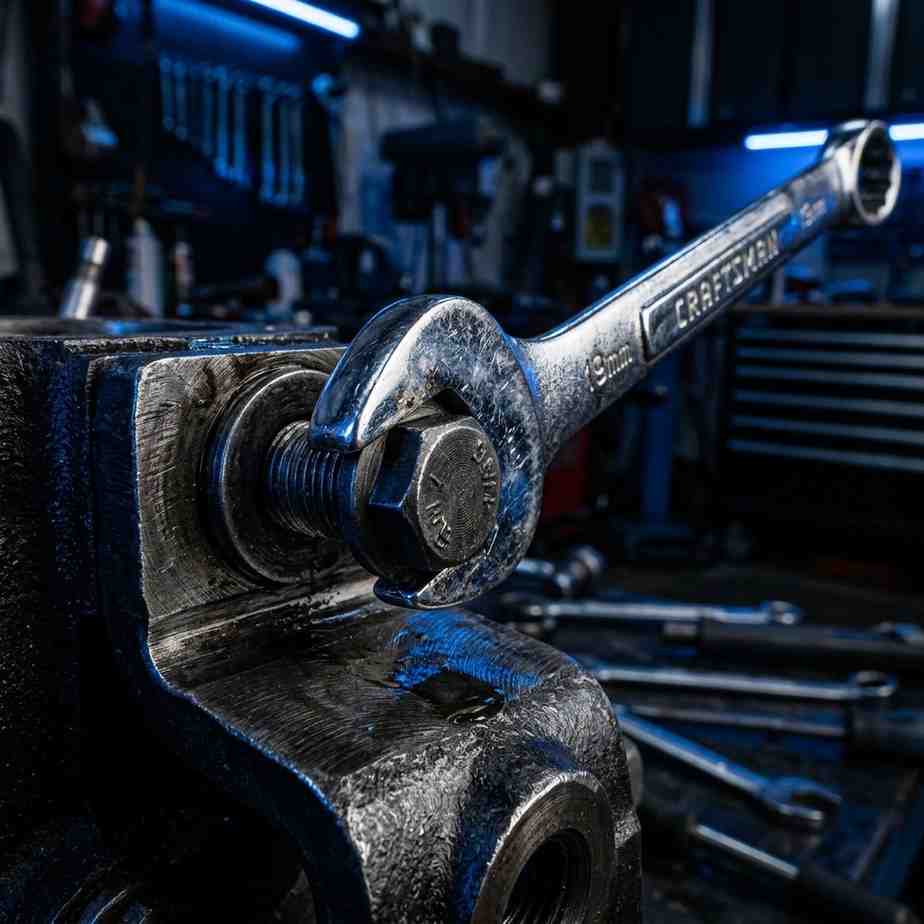
Figure 2: A wrench multiplies your applied force through leverage — the longer the handle, the greater the torque
Real-World Torque Examples
🔧 Example 1: The Wrench Problem
You apply 50 N of force at the end of a 0.3m wrench. The torque = 50 × 0.3 = 15 N·m. If you use a 0.6m breaker bar with the same force, you get 30 N·m of torque — double the result!
🚗 Example 2: Engine Output
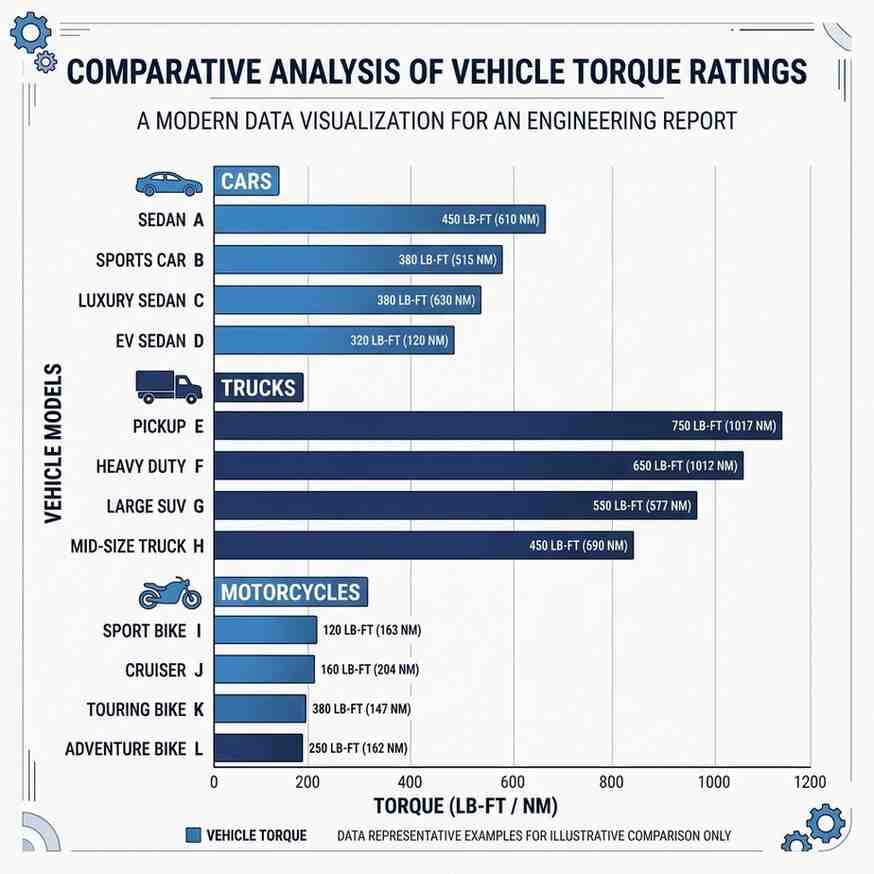
A car engine producing 300 N·m of torque at 4,000 RPM is delivering that rotational force to the crankshaft. This gets transmitted through the gearbox, driveshaft, and wheels to propel the vehicle forward.
🚪 Example 3: Door Hinge
Pushing a door with 20 N of force at 0.8m from the hinge produces 16 N·m of torque. The same 20 N at 0.1m from the hinge produces only 2 N·m — which is why it's so hard to open a door by pushing near the hinge.
SI Units for Torque
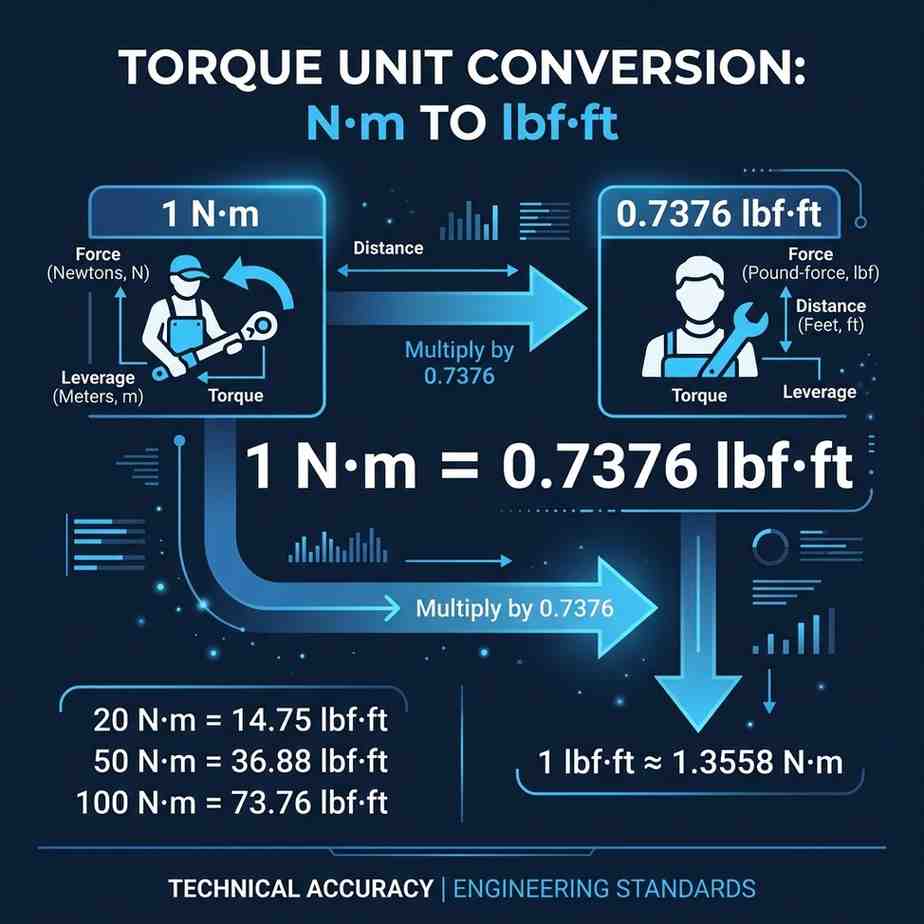
In the International System of Units (SI), torque is measured in Newton-meters (N·m). This reflects the formula directly: force in Newtons multiplied by distance in meters.
However, different industries and regions use different units. Our torque converter supports 17 different torque units including:
- Newton-meter (N·m) — SI standard
- Pound-force foot (lbf·ft) — US/Imperial standard
- Kilogram-force meter (kgf·m) — older metric standard
- Pound-force inch (lbf·in) — used for small fasteners
- Kilonewton-meter (kN·m) — used for large industrial equipment
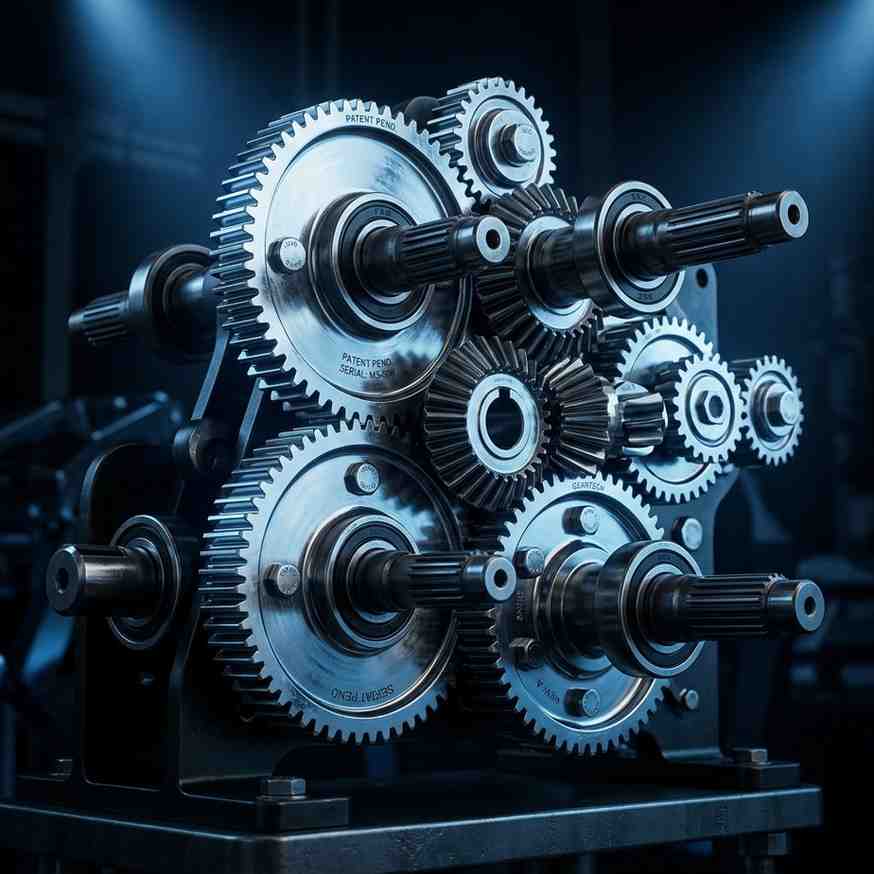
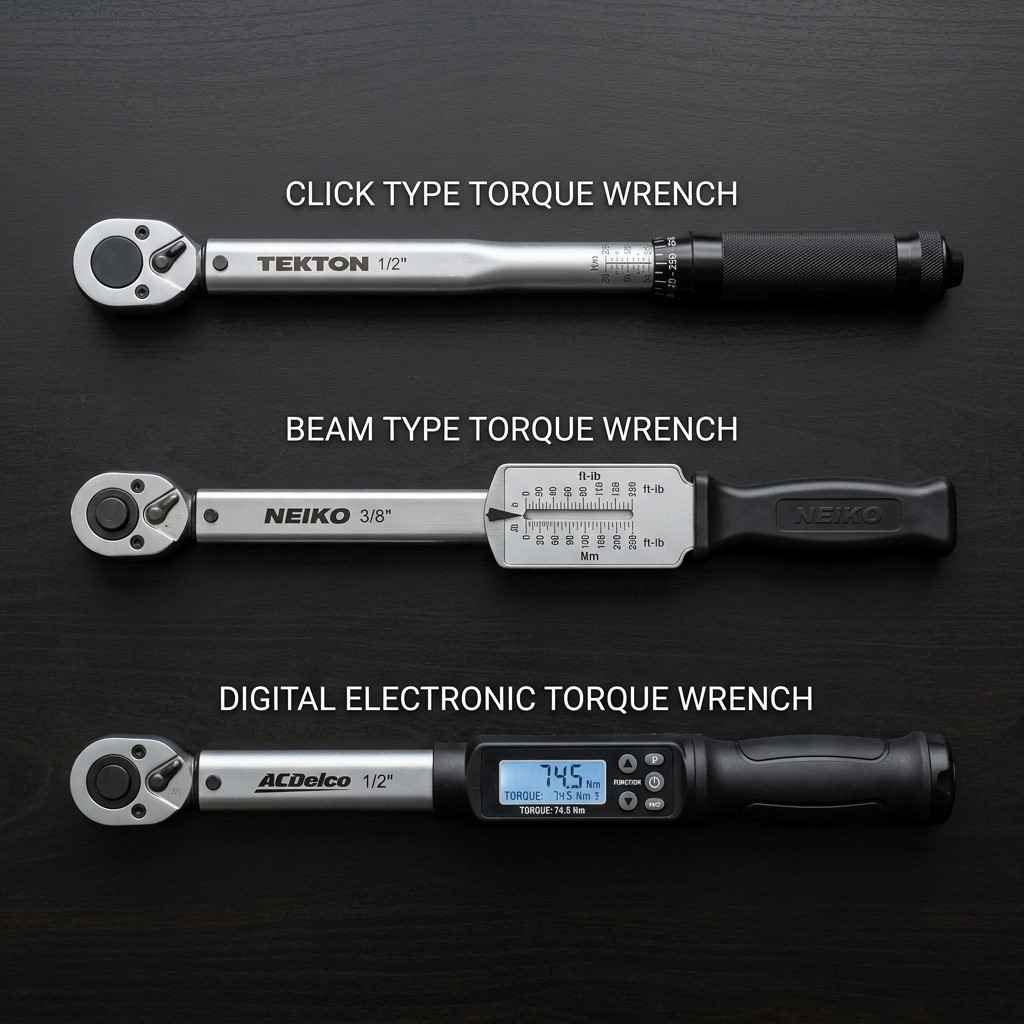
Figure 3: Engineering documentation always includes torque specifications with explicit unit notation for safety and precision
Torque vs Horsepower — What's the Difference?
One of the most common points of confusion is the relationship between torque and horsepower. The simple truth: torque is a force, horsepower is a rate of work.
The mathematical relationship is:
Horsepower = (Torque in lbf·ft × RPM) ÷ 5,252
This means at 5,252 RPM, torque and horsepower are always equal. Below that RPM, torque is higher; above it, horsepower is higher. Diesel engines produce peak torque at low RPM, which is why they excel at towing. Sports car engines produce peak power at high RPM, which is why they feel fastest at high speeds.
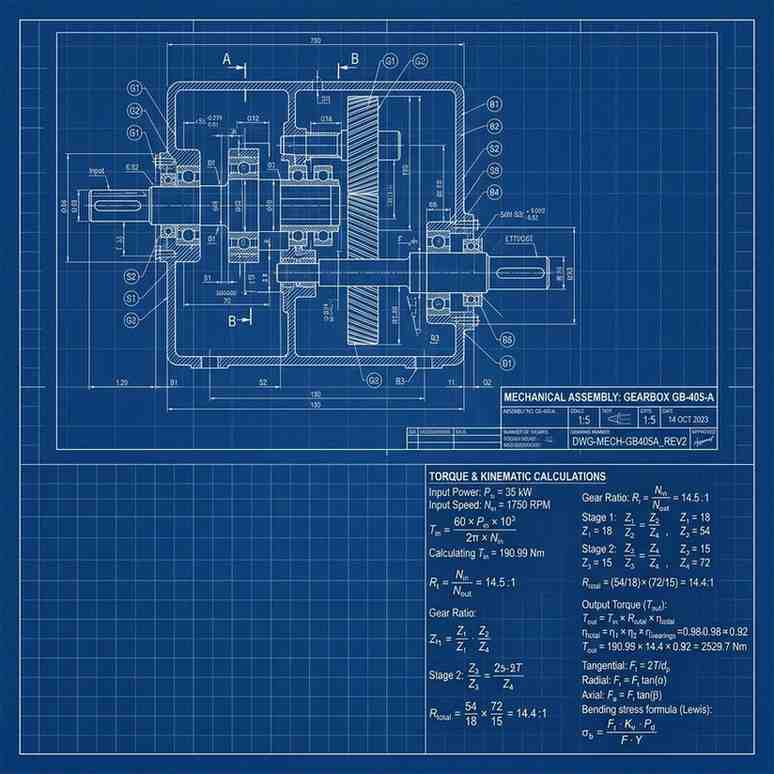
Figure 4: Gears transmit and multiply torque — a lower gear ratio increases torque while reducing speed
Torque in Everyday Engineering
Torque appears in virtually every area of mechanical engineering:
- Fastener tightening — Bolts have specified torque values to ensure proper clamping without stripping threads
- Electric motors — Rated by their torque output at specific speeds
- Gearboxes — Gear ratios multiply torque (at the expense of speed)
- Robotics — Servo motors are specified by their maximum torque output
- Wind turbines — Blade pitch and rotor design optimize torque at varying wind speeds
- Medical devices — Surgical tools have precise torque limits to prevent tissue damage
Whether you're a student grasping these concepts for the first time or a professional needing a quick refresher, understanding torque fundamentally changes how you think about mechanical systems. For all your torque unit conversion needs, our free calculator is always ready.