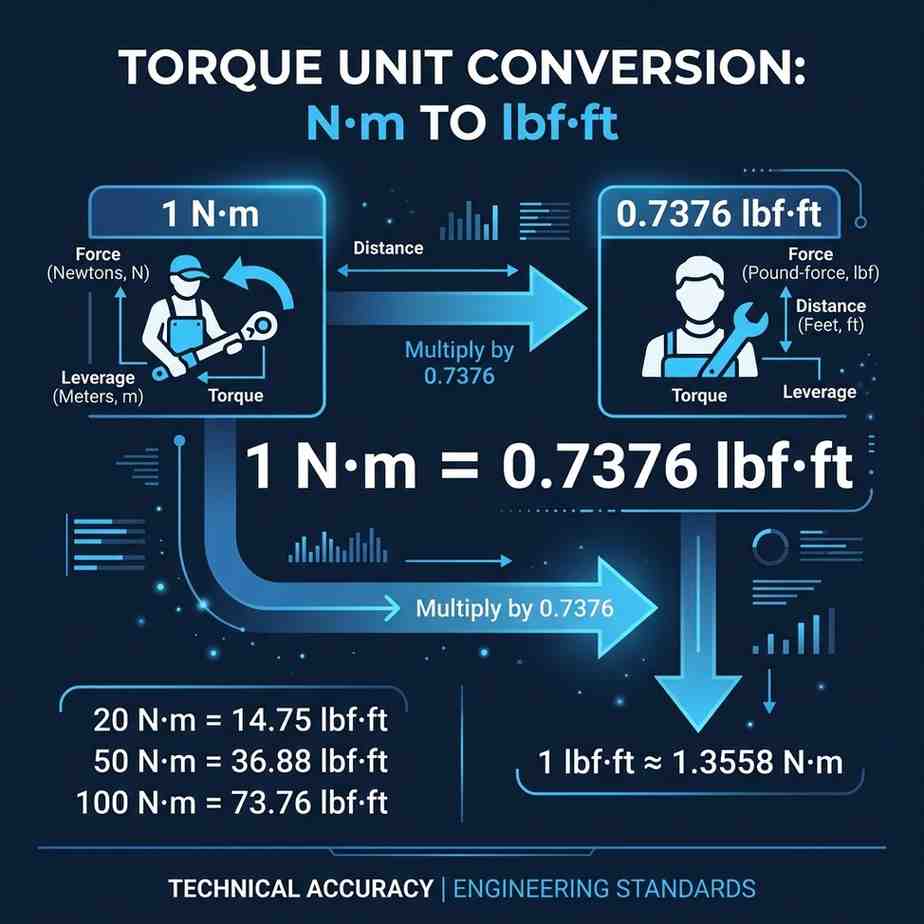
Figure 1: Visual overview of the N·m ↔ lbf·ft conversion relationship
If you work in automotive engineering, mechanics, or any technical field that crosses international borders, you've almost certainly needed to convert Newton-meters (N·m) to pound-force feet (lbf·ft) — or vice versa. This conversion is one of the most common in all of engineering practice.
This guide gives you the exact formula, conversion factor, reference tables, worked examples, and the most common mistakes to watch out for. By the end, you'll be converting between these units confidently — and you can always use our free torque calculator to verify your results.
The Exact Conversion Formula
The fundamental relationship between Newton-meters and pound-force feet is based on the definitions of the Newton, the pound-force, the meter, and the foot. The exact conversion factor is:
or equivalently: 1 lbf·ft = 1.355818 N·m
So to convert N·m to lbf·ft, you multiply by 0.7376. To convert lbf·ft to N·m, you multiply by 1.3558.

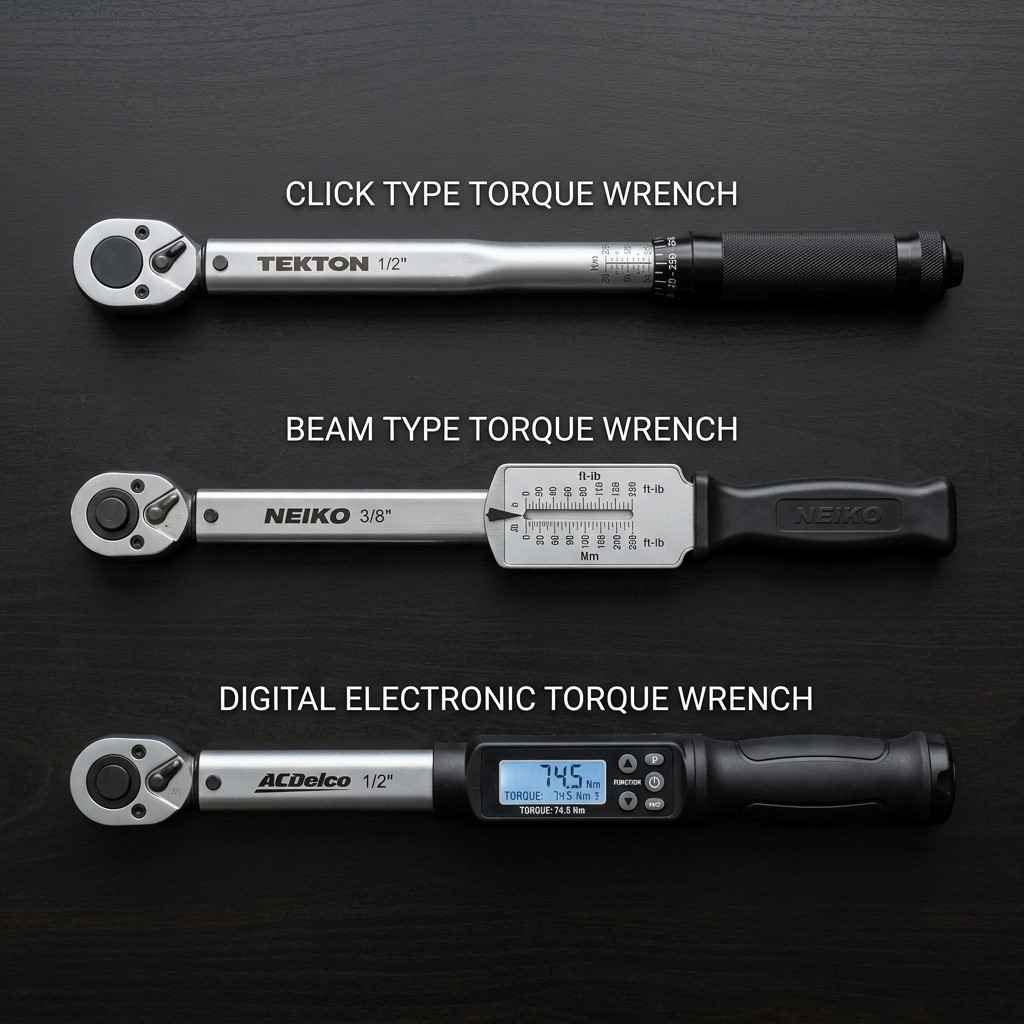
Figure 2: A digital torque display showing real-world unit conversion in engineering applications
Quick Reference Conversion Table
Here are the most commonly needed conversions between N·m and lbf·ft:
| Newton-meter (N·m) | Pound-force foot (lbf·ft) | Common Application |
|---|---|---|
| 10 N·m | 7.38 lbf·ft | Small fasteners |
| 25 N·m | 18.44 lbf·ft | Wheel bolts (light vehicles) |
| 50 N·m | 36.88 lbf·ft | Cylinder head bolts |
| 100 N·m | 73.76 lbf·ft | Lug nuts (standard cars) |
| 135 N·m | 99.57 lbf·ft | Wheel nuts (SUVs) |
| 200 N·m | 147.51 lbf·ft | Large engine bolts |
| 400 N·m | 295.03 lbf·ft | Truck wheel studs |
| 500 N·m | 368.78 lbf·ft | Industrial fasteners |
Step-by-Step Worked Examples
Example 1: Converting 120 N·m to lbf·ft
Solution: 120 × 0.7376 = 88.51 lbf·ft
Example 2: Converting 95 lbf·ft to N·m
Solution: 95 × 1.3558 = 128.80 N·m

Figure 3: Engineers must routinely convert torque specs between unit systems in international projects
Why This Conversion Matters in Practice
The N·m vs lbf·ft divide is largely a US vs. Rest-of-World issue. American manufacturers and service manuals traditionally use pound-force feet, while European, Japanese, and international standards use Newton-meters. When working with imported vehicles, global machinery, or following international standards, this conversion becomes essential.
Getting it wrong can have serious consequences. Under-torqued bolts can loosen and cause mechanical failure, while over-torqued bolts can strip threads, crack components, or cause dangerous stress fractures — particularly critical in aerospace and automotive safety systems.
Common Mistakes to Avoid
- Rounding the conversion factor too aggressively — use at least 4 significant figures (0.7376, not 0.74)
- Confusing lbf·ft with lbf·in — pound-force inches are 12× smaller than pound-force feet
- Confusing N·m with N·cm — Newton-centimeters are 100× smaller than Newton-meters
- Inverting the formula — if you're going from a smaller number to a larger number you should be multiplying by 1.3558, not 0.7376

Figure 4: A precision digital torque meter — always verify conversions on critical applications
Using Our Torque Converter for Verification
For any critical engineering application, always verify your manual calculations using a trusted tool. Our Torque Converter Torque Converter supports 17 torque units including N·m, lbf·ft, kgf·m, lbf·in, kN·m, and many more. Simply enter your value, select your input and output units, and get the result instantly.
Remember: in engineering, precision isn't optional. Every torque value you work with directly affects safety, reliability, and performance. Use our calculator, double-check your work, and always verify critical torque specifications against the original manufacturer documentation.