Figure 1: A professional click-type torque wrench — the most common type for automotive and general mechanical work
A torque wrench is one of the most important tools in any mechanic's collection. It allows you to tighten bolts and fasteners to a precise, specified torque value — preventing both the dangers of under-tightening (loose bolts) and over-tightening (stripped threads, cracked components, or warped surfaces).
This guide covers everything you need to know: the different types of torque wrenches, how to read and set them, the correct technique, and the most common mistakes to avoid.
Types of Torque Wrenches
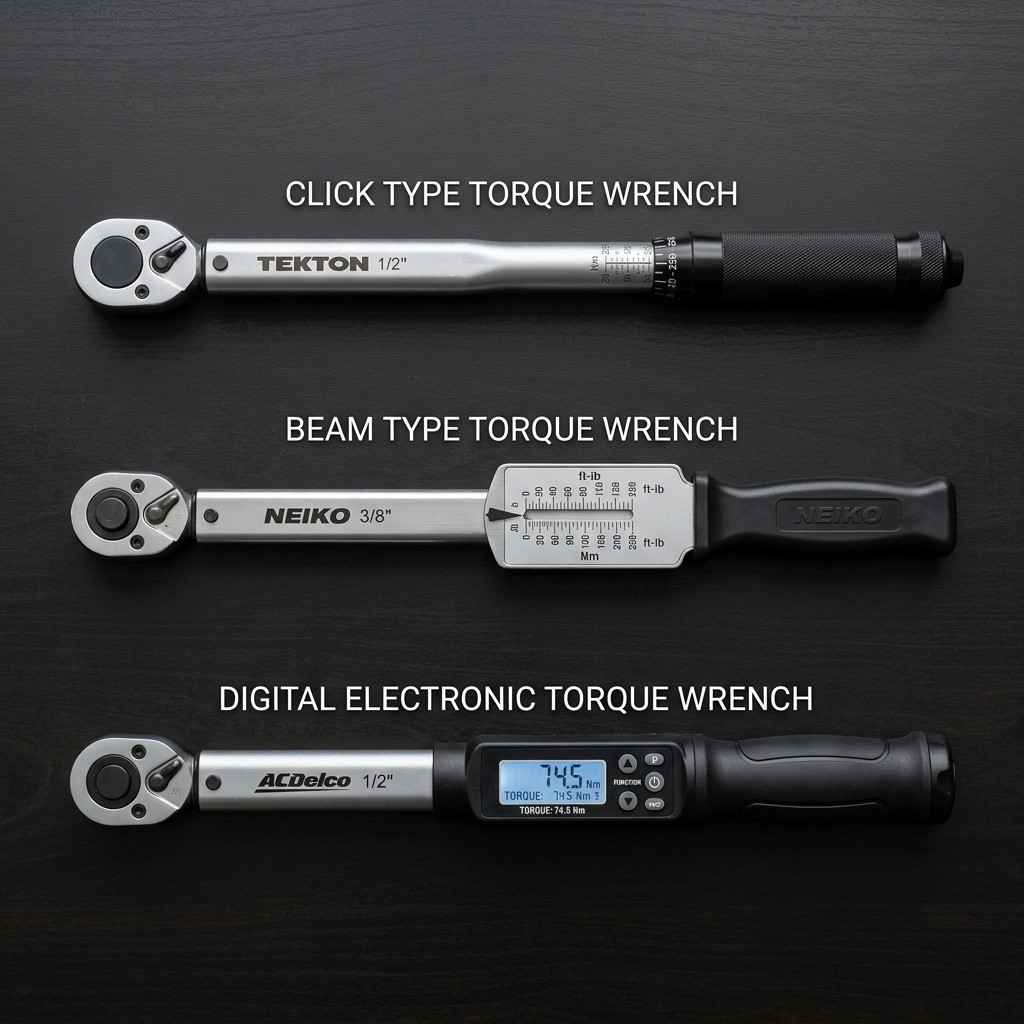
Before learning how to use one, you need to know which type is right for your application:
Click-Type (Micrometer)
Makes a clicking sound when the set torque is reached. Most popular for automotive work.
Beam-Type
Has a scale and pointer — you read the torque value as you apply force. Simple and durable.
Digital Electronic
Digital display shows exact torque in real-time. Most accurate and feature-rich.
Dial Indicator Type
Has a dial gauge showing torque applied. Common in laboratory and precision settings.
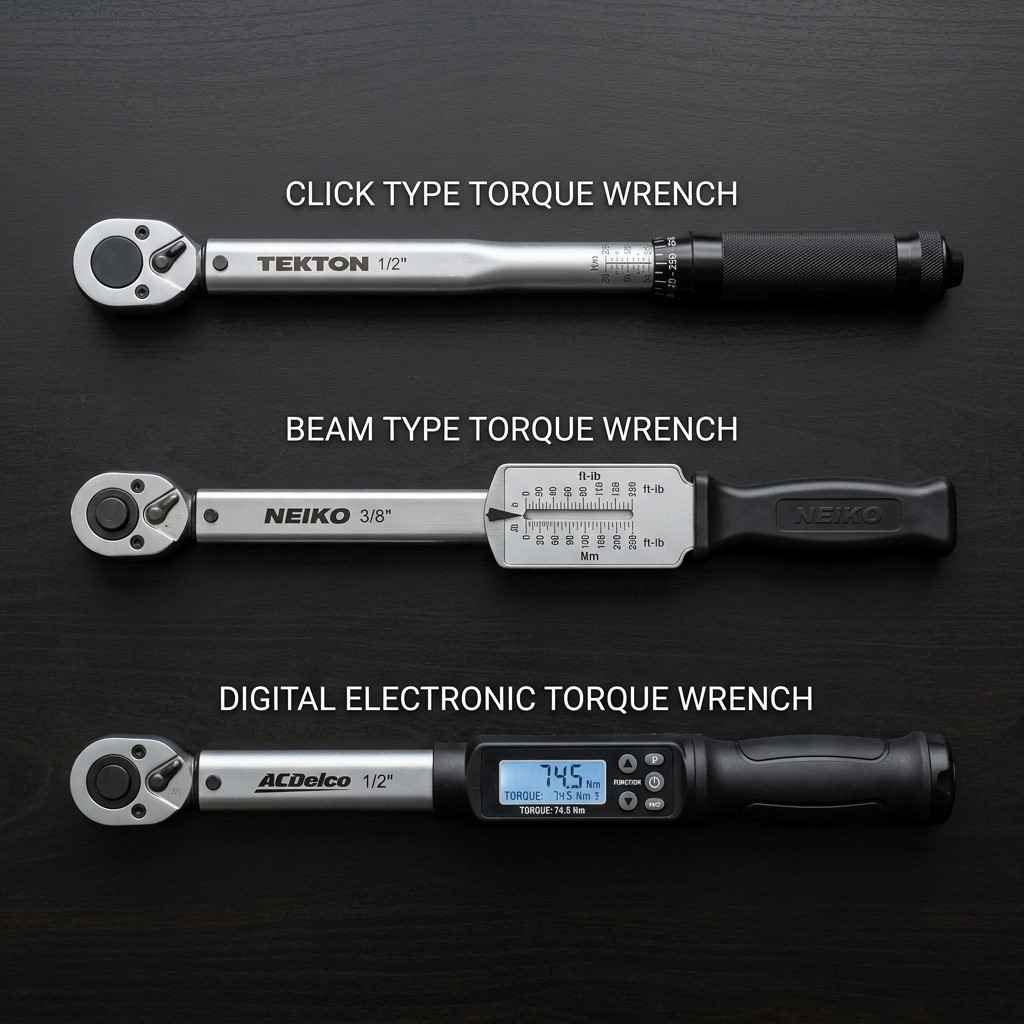
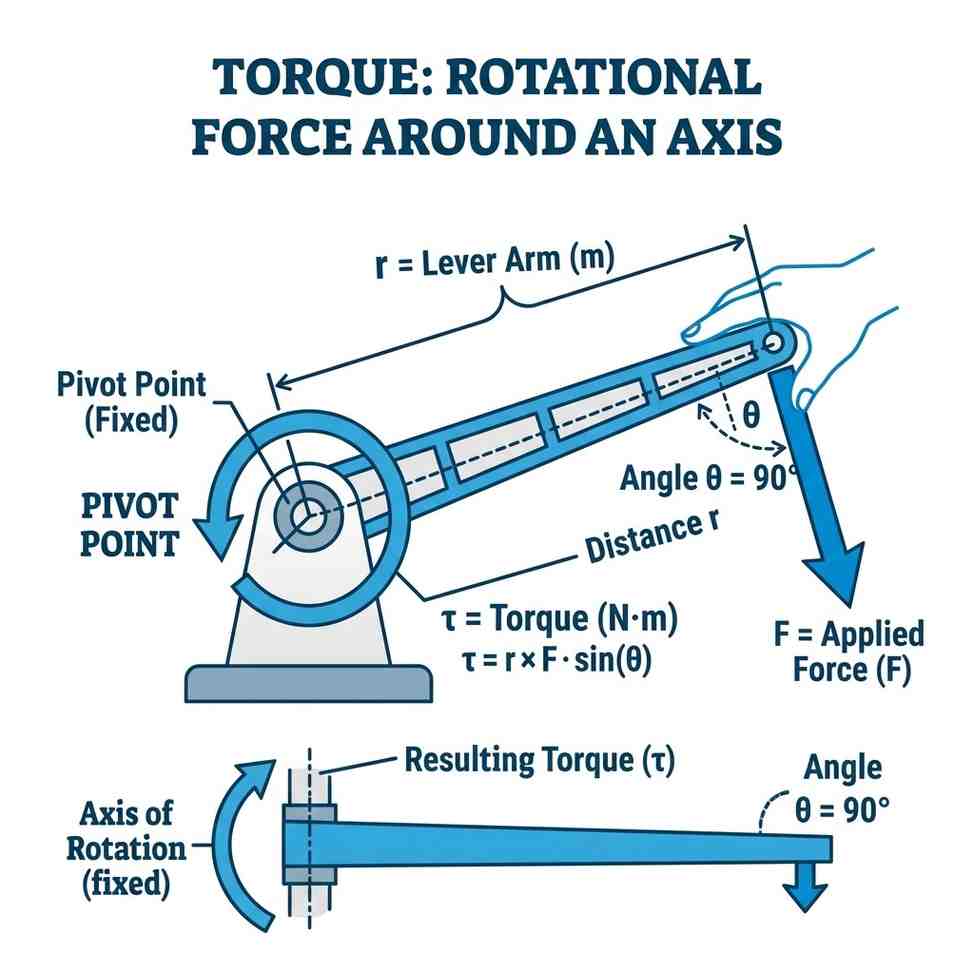
Figure 2: Proper torque wrench technique — applied perpendicular to the fastener axis with smooth, controlled motion
Step-by-Step: How to Use a Click-Type Torque Wrench
-
1
Find the Correct Torque Specification
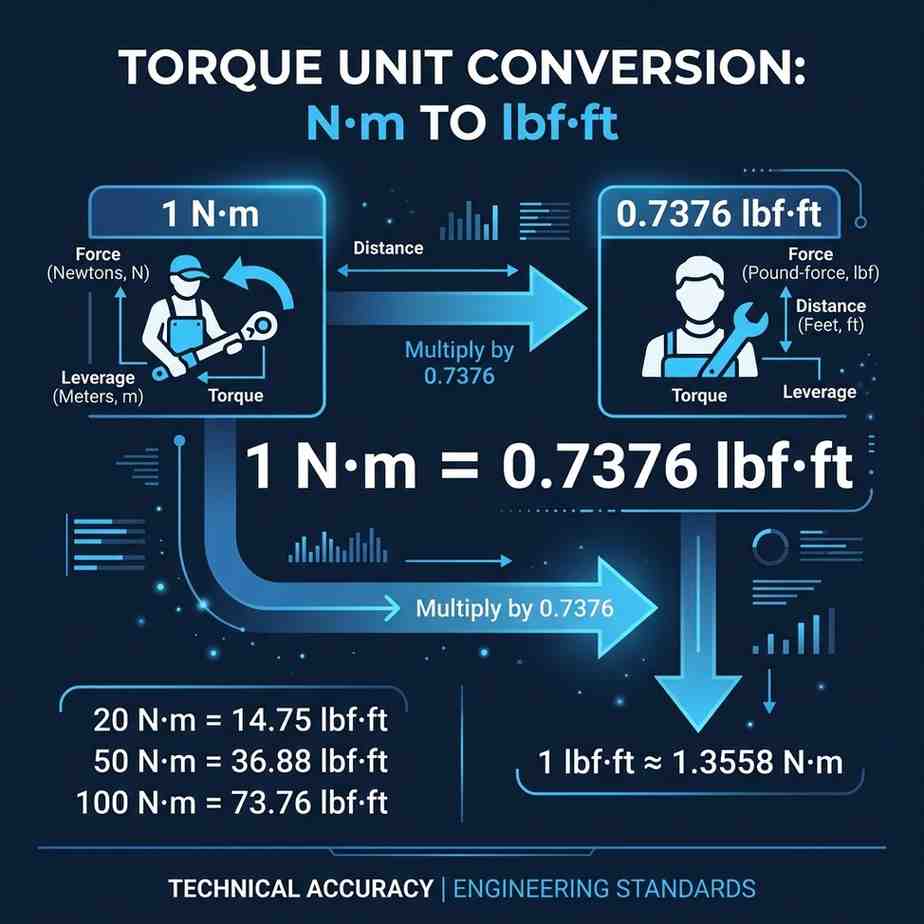
Always check the manufacturer's manual or service guide for the exact torque spec. It will be listed in N·m, lbf·ft, or kgf·m. If you need to convert between units, use our free torque calculator.
-
2
Select the Right Torque Wrench Range
Your torque spec must fall between 20%–80% of the wrench's range for best accuracy. For example, if tightening to 50 N·m, use a wrench rated for 10–100 N·m, not 5–25 N·m.
-
3
Set the Torque Value
For click-type wrenches: loosen the locking collar, rotate the handle to align the desired value on the scale, then lock the collar. Always set to your exact specification.
-
4
Attach the Correct Socket
Use a socket that fits the fastener correctly — not too large or too small. Ensure it clicks securely onto the drive. Use extensions sparingly; they can affect accuracy.
-
5
Hand-Tighten the Fastener First
Before using the torque wrench, hand-tighten the bolt to ensure it's properly threaded and seated. Never use a torque wrench to break loose a bolt — use a regular wrench or breaker bar.
-
6
Apply Smooth, Steady Force
Grip the handle at the center marking (or end for max leverage). Pull smoothly and steadily — don't jerk or use extensions of the handle. Apply force perpendicular to the fastener axis.
-
7
Stop at the Click
When you hear and feel the click, stop immediately. This means the target torque has been reached. Continuing to apply force after the click over-torques the fastener.
-
8
Reset to Minimum After Use
After finishing, turn the torque wrench back to its minimum setting. This releases spring tension and preserves calibration accuracy for next time.
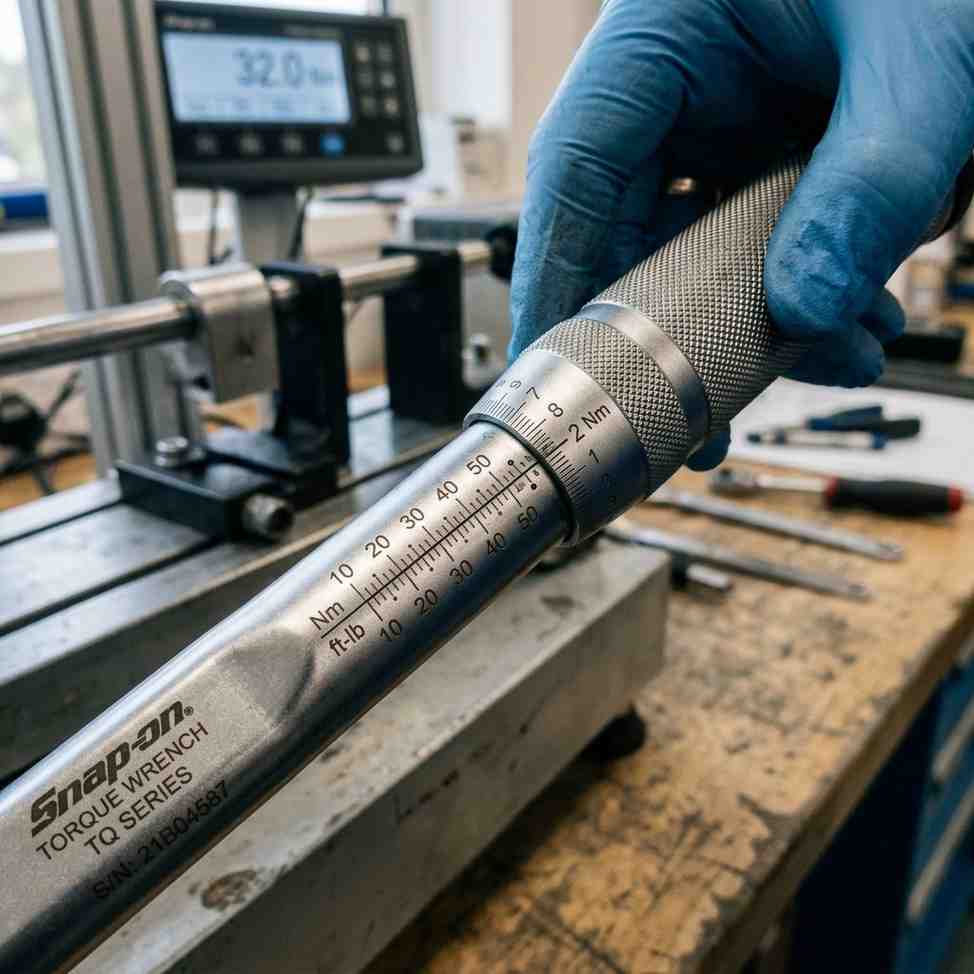
Figure 3: Different types of torque wrenches — choose based on your application, budget, and required accuracy
Common Mistakes to Avoid
Torque wrenches are designed for tightening only. Using them in reverse can damage the internal mechanism and throw off calibration. Use a regular wrench or breaker bar to loosen.
The click indicates the target torque has been reached. Continuing to apply force over-tightens the fastener and can cause serious damage.
Leaving a click-type torque wrench at maximum setting keeps the spring compressed, which over time reduces accuracy. Always return to minimum after each use.
For professional work, calibrate your torque wrench every 5,000 uses or once a year, whichever comes first. Many tool shops offer calibration services. For critical applications, use a certified calibrated tool.

Figure 4: Setting the torque value precisely on a micrometer-type click torque wrench — accuracy starts here
Torque Specs for Common Automotive Fasteners
- Lug nuts (standard car): 80–130 N·m (59–96 lbf·ft)
- Lug nuts (SUV/truck): 120–165 N·m (88–122 lbf·ft)
- Spark plugs: 15–25 N·m (11–18 lbf·ft)
- Oil drain plug: 25–35 N·m (18–26 lbf·ft)
- Cylinder head bolts: 40–130 N·m (varies by engine)
- Brake caliper bolts: 30–70 N·m (varies by vehicle)
Always verify the exact specification for your particular vehicle in the service manual. And when the spec is in a different unit than your torque wrench, use our free torque converter to get the exact value quickly and accurately.